Why More Patients in Encino, CA Are Asking for Fotona 4D Laser Facial (TimeWalker)
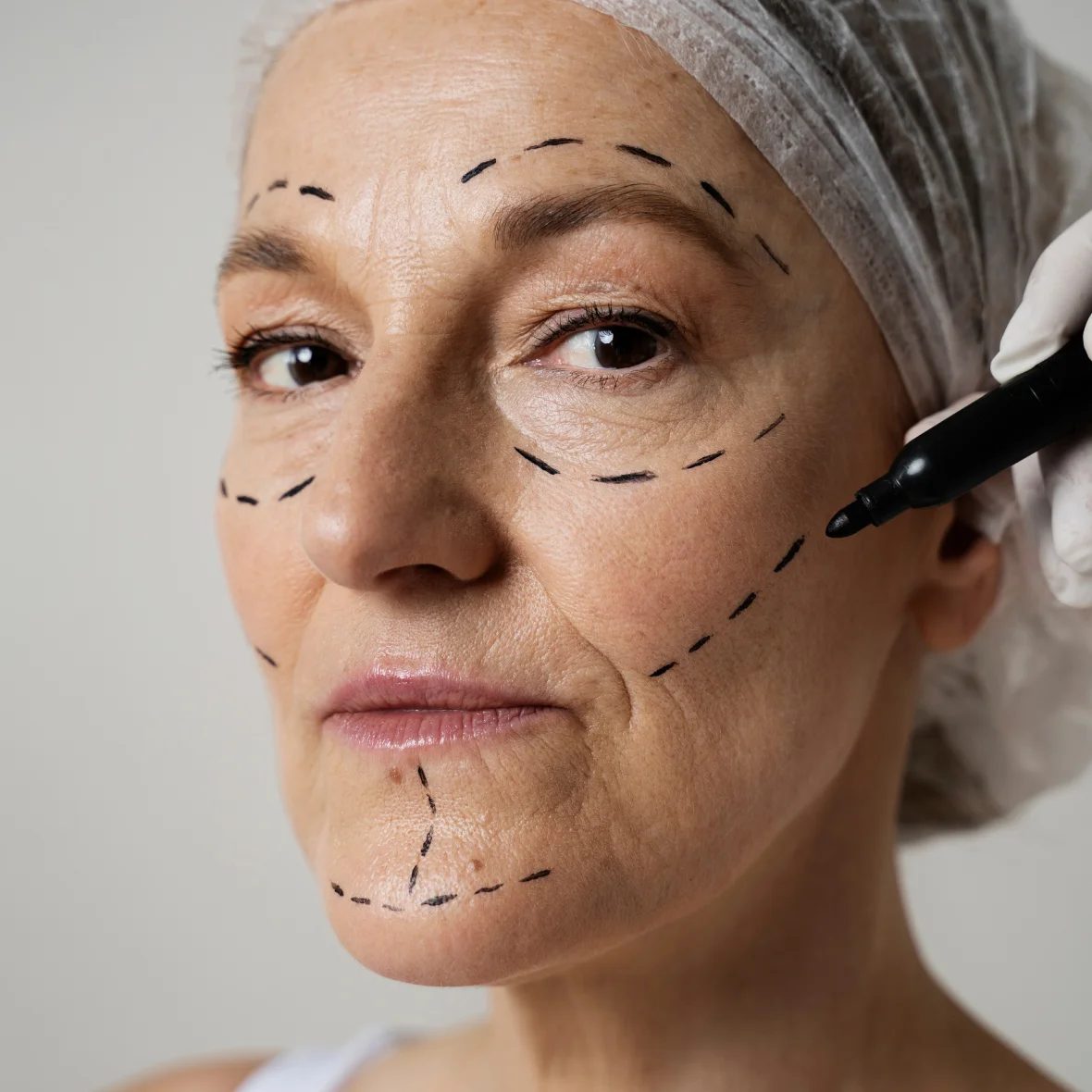
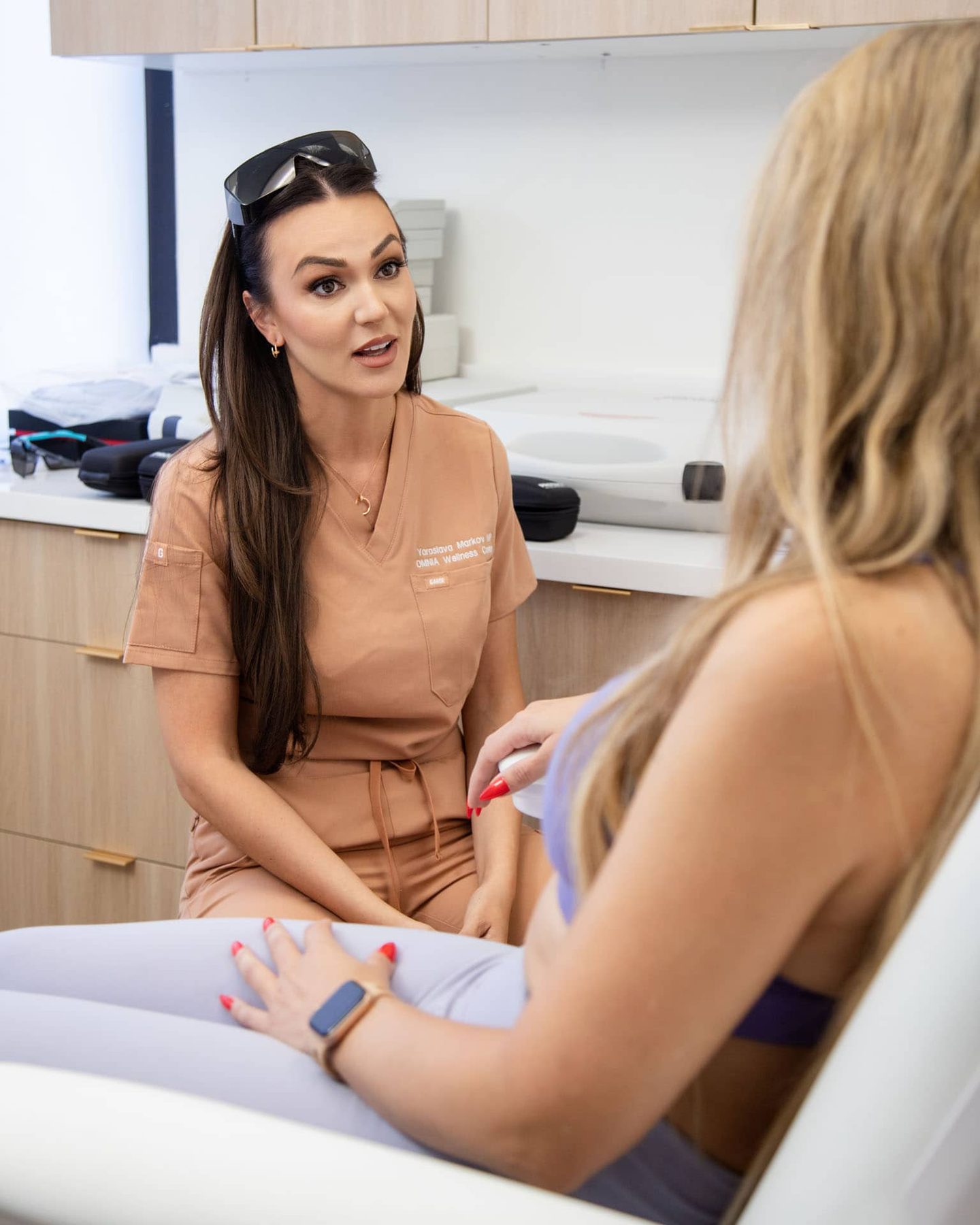
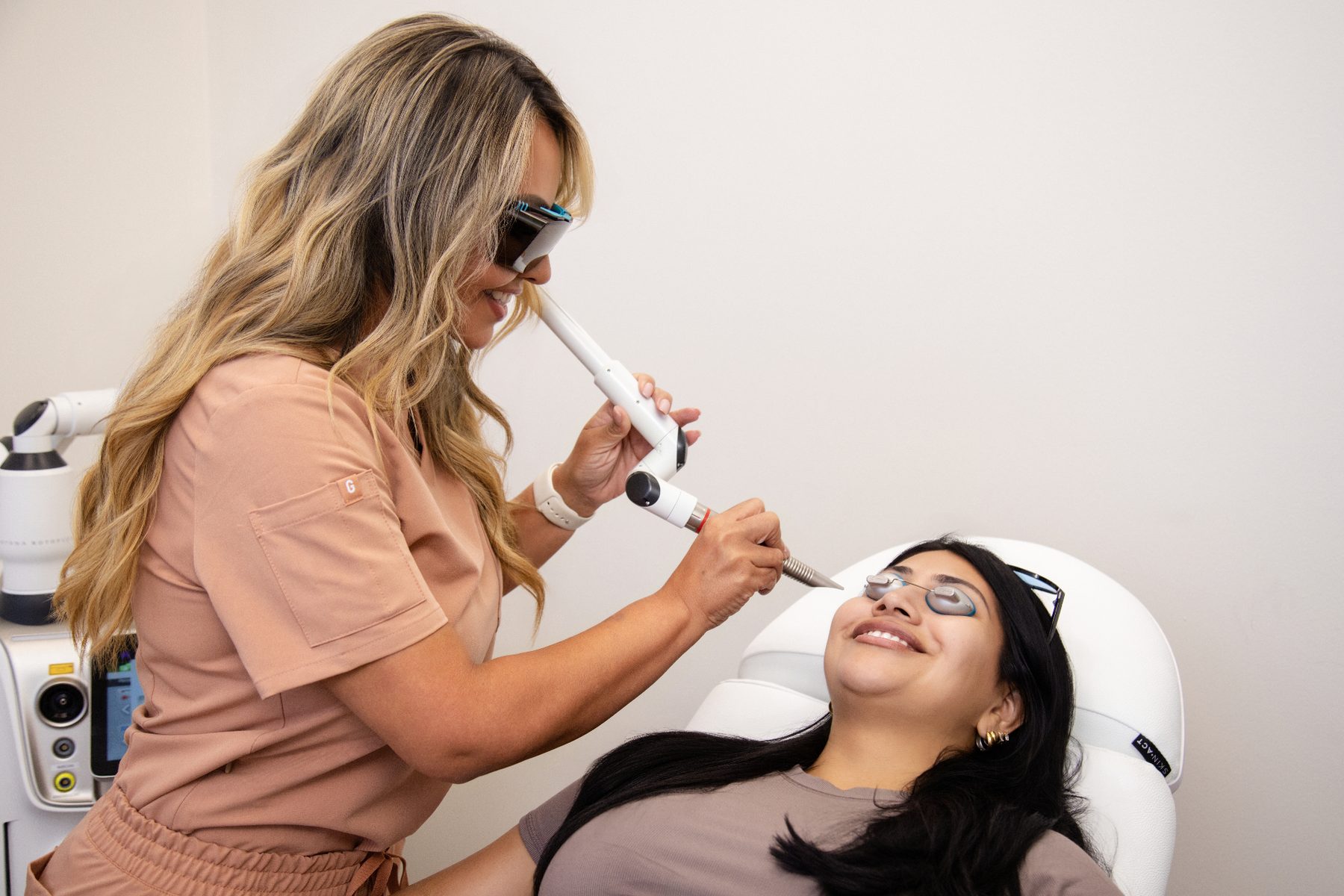
Aesthetic medicine has changed in a very specific way over the last several years. Patients still want visible results, but they are far less interested in looking obviously treated. In Encino, that shift is easy to see. People are asking better questions, comparing downtime, and looking for treatments that tighten, smooth, and refresh without committing to surgery or a prolonged recovery. That is a large part of why more people are requesting the Fotona 4D Laser Facial, often referred to through the TimeWalker platform.
The interest is not coming from one age group or one cosmetic concern. Some patients want early collagen support before sagging becomes pronounced. Others are bothered by crepey texture around the mouth, softness along the jawline, or a general loss of brightness that no topical product seems to fix. There is also a sizable group in the middle, people who are not ready for a facelift and may never need one, but who know their skin no longer rebounds the way it did at 35.
When patients in Encino, CA ask about Fotona 4D Laser Facial (TimeWalker), they are usually not chasing a dramatic overnight transformation. More often, they want a fresher version of themselves. They want their skin to look firmer in daylight, their makeup to sit better, and their face to look less tired on video calls and in photos. Those are modest goals on paper, but they matter in daily life. Treatments that can address multiple layers of facial aging in a controlled, noninvasive way tend to get attention quickly, especially in communities where appearance and professionalism often overlap.
What makes the treatment stand out
The reason this laser facial keeps coming up in consultation rooms is that it is not a one-note treatment. Traditional facials can be relaxing and helpful for superficial maintenance, but they do not remodel tissue. Some resurfacing lasers can improve texture but are less focused on tightening. Certain radiofrequency treatments create heat in deeper tissue but may not address the skin surface in the same session. Fotona 4D is appealing because it was designed to work on more than one level.
The “4D” concept refers to a sequence of treatment modes that target different layers and concerns. One of the best-known elements is the intraoral component, where energy is delivered from inside the mouth to support tightening around the nasolabial folds and lower face. For many patients, that detail catches their attention immediately because it feels more comprehensive than a standard surface-only laser session. The treatment can then be paired with additional passes that focus on collagen stimulation, textural refinement, and superficial polishing.
That layered approach matters because facial aging is layered. It is not just about one wrinkle or one patch of pigment. Skin loses elasticity. Collagen production slows. Texture becomes rougher. Small changes in volume and support alter the way light hits the face. A treatment that addresses only one of those factors can still be useful, but it may not create the balanced improvement patients are hoping for.
The TimeWalker platform adds another element that patients appreciate, which is a more modern treatment experience. In practice, that usually means the conversation shifts away from aggressive correction and toward tailored rejuvenation. Providers can often adapt the session based on skin quality, sensitivity, age-related change, and schedule. That flexibility is part of the appeal in a place like Encino, where one patient may want a conservative “camera ready” refresh and another may be focused on gradual tightening over several months.
Why Encino patients are particularly interested right now
Demand for minimally invasive facial treatments tends to rise in communities where people are socially active, professionally visible, and accustomed to comparing options carefully. Encino checks all three boxes. Patients are often balancing work, family, events, travel, and fitness routines. They do not want to disappear for two weeks to heal. They also do not want to spend money on treatments that produce such subtle results that only the provider can see the difference.
That creates a very specific sweet spot. A treatment has to feel sophisticated, clinically grounded, and compatible with a normal schedule. Fotona 4D fits that need better than many patients expect when they first hear the word “laser.” Some come in assuming it will be harsh or require significant peeling. Then they learn that the downtime is often manageable, especially compared with more aggressive resurfacing. For the right person, that is a compelling trade-off.
There is another practical reason for the growing interest. Many patients are no longer waiting until aging becomes obvious. Preventive and prejuvenation-minded care is common now. A patient in their thirties may not have deep wrinkles, but they can still notice mild laxity, dullness, or the beginning of lines around the mouth. They are often willing to start with a treatment that supports collagen while their skin still has strong healing capacity. In many cases, those patients are not trying to reverse severe aging. They are trying to slow visible progression and maintain facial definition.
Patients in their forties and fifties often arrive with a different perspective. They may describe “looking fine from the front but tired in motion” or feeling that the lower face has softened. They may not be bothered enough to consider surgery, but they want more than a basic facial or a light peel. This is where Fotona 4D Laser Facial (TimeWalker) Encino, CA becomes part of the conversation, because it occupies the middle ground between spa-level maintenance and a surgical lift.
The appeal of treating from the inside out
One of the more interesting parts of the Fotona 4D concept is that it does not rely only on what can be seen externally. The intraoral step is unusual enough that patients often remember it long after the consultation. It sounds technical, but the logic is simple. The perioral area and lower midface are difficult zones because the tissue changes there are not purely superficial. Fine lines around the lips, flattening near the smile lines, and softening in the cheeks all reflect deeper structural changes over time.
Treating from inside the mouth allows heat delivery closer to tissue that supports the outer appearance of the face. In experienced hands, this can complement external treatment and improve the overall effect. It is not the same as adding filler, and it is not a substitute for surgery in someone with significant laxity, but it can be a smart option for the patient who wants visible tightening without changing facial identity.
That distinction matters. Many patients today are wary of looking overfilled or overly done. They are less interested in volume for volume’s sake and more interested in skin quality and tissue support. When they hear that a laser treatment may improve firmness and texture while preserving the natural contours of the face, their interest tends to increase.
What patients are usually hoping to improve
A consultation for this treatment often starts with one complaint and then expands. A patient may point to lines around the mouth, but as the discussion continues, they mention dullness, larger pores, mild jowling, or a rougher feel to the skin. That is normal. Most people do not age in a single dimension.
In practice, the most common goals include softening fine lines, improving skin texture, increasing firmness, and creating a more rested look overall. Some also want subtle lifting through the cheek and jawline area. Others are focused on events, perhaps a reunion, wedding, or a return to in-person professional appearances, and want a series that creates gradual but noticeable refinement.
One of the reasons the treatment resonates is that these goals can often be pursued at the same time. That does not mean Fotona 4D Laser Facial (TimeWalker) Encino, CA every concern disappears, and it does not mean one session solves everything. But patients respond well when a provider can explain how one treatment plan may touch texture, laxity, and tone in a coordinated way.
Expectations need to be grounded, not inflated
A good consultation for any laser treatment includes a reality check. Fotona 4D is a strong option for many patients, but it is not magic and it is not interchangeable with every other energy-based device. The best outcomes tend to happen when there is a clear match between the technology and the patient’s anatomy, skin quality, and goals.
Someone with mild to moderate skin laxity and early textural aging may be very pleased. Someone with advanced jowling, heavy neck laxity, or deep folds caused by substantial volume loss may need a broader plan. That plan could include injectables, biostimulatory treatments, skin resurfacing, or a surgical consultation, depending on the case. Honest providers say this upfront. Patients usually appreciate that level of candor, especially in a market where aesthetic claims can easily become exaggerated.
There is also the issue of timing. Laser collagen remodeling is a process. Some people notice a freshened appearance relatively quickly, while deeper tightening develops over weeks to months. If a patient has a major event next weekend, this may not be the right time to begin a treatment plan designed for cumulative improvement. On the other hand, if they are looking ahead three to six months, it can be excellent timing.
Why downtime matters more than people admit
When patients say they want “no downtime,” they usually mean they do not want downtime that interferes with real life. A little redness is one thing. Needing to cancel meetings, avoid public appearances, or stay out of the sun for an extended period is another.
This is where practical experience matters. Every laser treatment exists on a spectrum of intensity, results, and recovery. More aggressive treatments can produce more dramatic resurfacing, but they also ask more from the patient. Many people in Encino are not willing to make that trade unless the indication is very specific. They would rather have a treatment series with manageable recovery than one hard reset that disrupts work and social plans.
For the right candidate, Fotona 4D often fits this preference well. Patients may experience temporary redness, warmth, or a sensation similar to a mild sun-exposed feel, depending on the settings and components used. The surface effects are generally not as disruptive as ablative laser recovery. That balance, visible improvement without intensive healing, explains a lot of the local demand.
The rise of combination thinking
Patients are more educated now, and in many cases, more realistic. They understand that one treatment rarely solves everything. The better question is how treatments can work together. A Fotona 4D Laser Facial may be used as a centerpiece in a broader skin strategy rather than a standalone miracle.
For example, a patient with decent structure but tired-looking skin might do well with laser tightening and textural improvement first, then consider small amounts of neuromodulator for expression lines or a conservative biostimulatory option if collagen support is needed elsewhere. Another patient may use the treatment seasonally as part of ongoing maintenance, spacing sessions around travel and sun exposure.
This layered mindset reflects a more mature approach to aesthetics. Instead of chasing dramatic before-and-after moments, patients are building long-term plans. They want skin that ages well, not just skin that looks briefly improved after a single intervention. Treatments like TimeWalker fit into that philosophy because they can be integrated rather than treated as all-or-nothing decisions.
Skin type, sensitivity, and judgment matter
Laser conversations should never become one-size-fits-all. Skin type, melanin level, history of post-inflammatory hyperpigmentation, rosacea tendencies, medications, recent sun exposure, and lifestyle all influence treatment planning. Even when a technology is versatile, the quality of the result depends heavily on patient selection and parameter choices.
This is one reason consultations matter so much more than marketing language. A patient may come in asking specifically for Fotona 4D Laser Facial (TimeWalker) Encino, CA, but the best provider response is not automatic agreement. It is evaluation. Is the patient a good candidate today? Are they expecting lifting beyond what a noninvasive treatment can Fotona 4D Laser Facial (TimeWalker) Encino, CA provide? Have they recently tanned? Are they prone to irritation? Do they need treatment modifications or a different approach altogether?
Careful judgment often separates a satisfying result from a disappointing one. Patients may not see that behind-the-scenes decision-making, but they feel its effects. The best aesthetic work often looks effortless because the planning was rigorous.
Why word of mouth is fueling demand
Aesthetic trends spread quickly, but the treatments that last are the ones patients talk about in ordinary conversation. Not in an exaggerated, promotional way, but in comments like, “You look rested,” or “Your skin looks tighter, did you do something?” Those reactions drive curiosity.
That is especially true for treatments that do not radically change the face. If someone gets a dramatic surgical result, everyone notices. With subtle laser rejuvenation, people often notice improvement without identifying the cause. For many patients, that is ideal. They want compliments, not scrutiny.
Word of mouth tends to be powerful in communities like Encino because social circles overlap. Parents, professionals, fitness communities, and local event networks all cross paths. Once a few patients have a good experience with a treatment that feels sophisticated but not extreme, interest builds naturally.
What a thoughtful patient should ask before booking
The quality of the consultation often predicts the quality of the experience. Patients do well when they ask how many sessions are typically recommended for their goals, what kind of recovery to expect based on the planned settings, and how the provider would compare this option with other treatments they offer. It is also wise to ask what the treatment is unlikely to improve. That question alone often reveals how balanced and honest the recommendation really is.
It also helps to ask whether the goal is tightening, resurfacing, maintenance, or a combination of those. The same brand name can create different outcomes depending on how it is used. Precision matters. A treatment plan for a 34-year-old with early collagen loss should not look identical to a plan for a 58-year-old with more advanced laxity and etched-in texture changes.
Patients who get the most out of laser rejuvenation usually understand one more thing. Maintenance is part of the deal. Collagen support can be stimulated, but the aging process does not pause. Sun exposure, smoking history, sleep patterns, stress, and genetics all continue to matter. The treatment works best as part of a larger approach to skin health, not as a substitute for it.
The larger reason interest keeps growing
More people are asking for this treatment because it reflects where aesthetic medicine is headed. The strongest demand is no longer centered only on dramatic correction. It is centered on believable rejuvenation, shorter recovery, and plans that can be personalized. Patients want options that respect their schedule, preserve their natural look, and still produce real change.
That combination is exactly why the Fotona 4D Laser Facial has gained traction. It speaks to the patient who wants more than a glow but less than a procedure that takes over their life. It appeals to younger patients who want to stay ahead of visible aging and to older patients who want meaningful refreshment without surgery. It fits a market that values polish, discretion, and practicality.
In Encino, where patients tend to be informed and selective, treatments do not become popular simply because they are new. They gain momentum when they answer a real need. The growing interest in Fotona 4D Laser Facial (TimeWalker) Encino, CA reflects that kind of demand, thoughtful, experience-driven, and rooted in the desire for results that look natural in the real world.
OMNIA Wellness Center
16430 Ventura Blvd Ste 207, Encino, CA 91436
Phone: +1 818-386-8511
FAQ About Fotona 4D Laser Facial (TimeWalker) Encino, CA
What is a Fotona laser good for?
Fotona lasers support several different aesthetic protocols. The Fotona 4D facial uses two wavelengths and four treatment modes to address concerns such as fine lines, skin texture, and mild laxity. OMNIA Wellness Center offers the TimeWalker facial with an individual consultation. Suitability and likely improvement depend on the person's skin and goals; results are not guaranteed, and this treatment does not reproduce a surgical facelift.
How much does a Fotona laser treatment cost?
The cost depends on the treatment protocol, areas treated, number of sessions, and provider's assessment. Ask OMNIA Wellness Center for a current written quote that explains what is included, whether follow-up is included, and any proposed package terms. An individualized estimate is more useful than assuming that one advertised price applies to every facial treatment.
How much downtime is there after a Fotona laser procedure?
Recovery varies with the specific protocol and intensity. Fotona describes its 4D facial as having little to no downtime, but temporary redness or sensitivity can occur, and a stronger surface treatment can require more recovery. Ask the treating clinician what to expect from the planned settings, how to care for the skin afterward, and when to contact the clinic with concerns.