How Fotona 4D Laser Facial (TimeWalker) Enhances Natural Beauty in Encino, CA
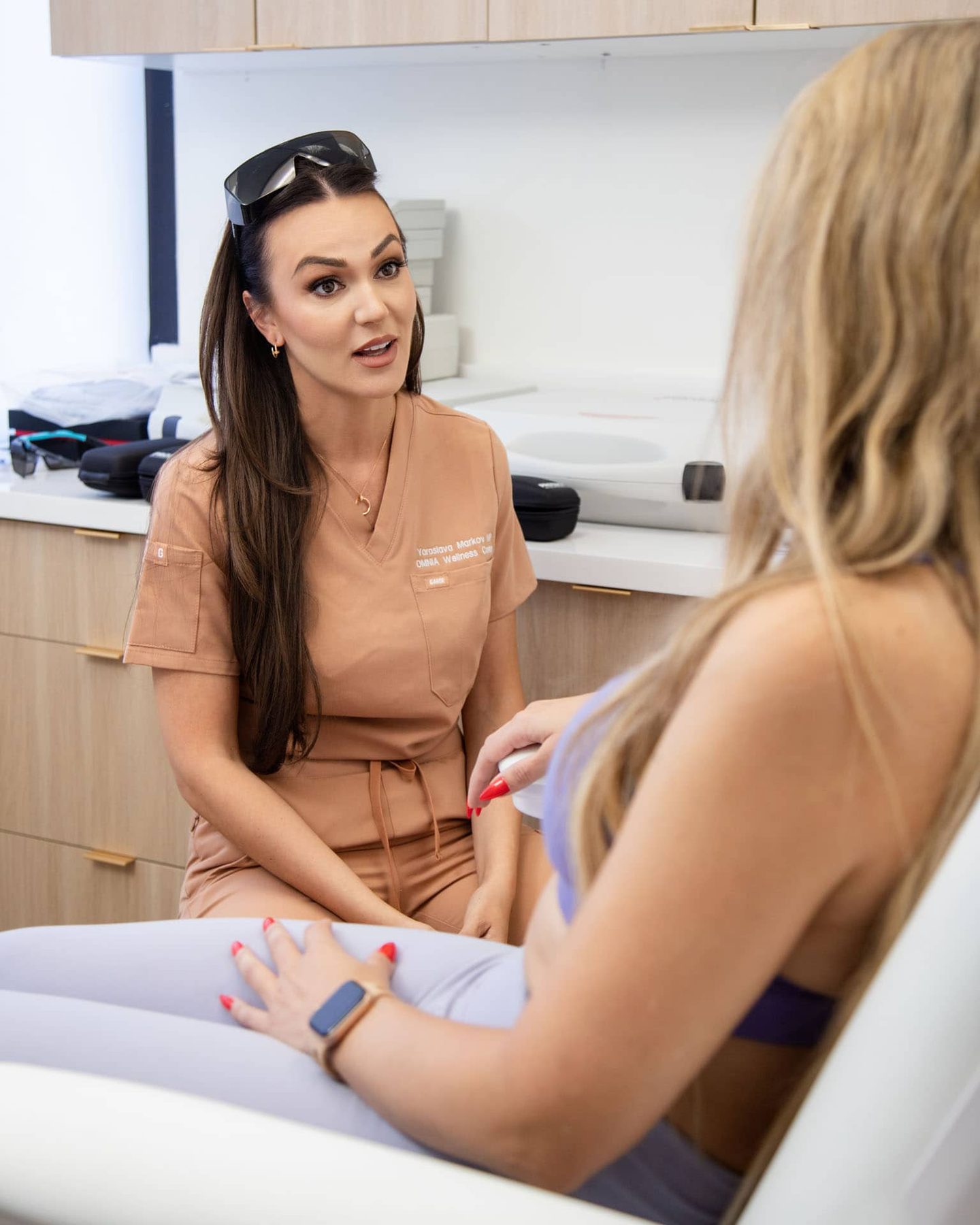
Aesthetic medicine has moved away from the overly polished look that defined parts of the last decade. In Encino, that shift is especially noticeable. Patients still want smoother skin, better tone, and firmer contours, but they rarely ask to look dramatically different. Most want something more refined than that. They want to look rested, healthy, and quietly well cared for. That is where the Fotona 4D Laser Facial (TimeWalker) Encino, CA conversation becomes relevant.
This treatment appeals to people who want visible rejuvenation without stepping into the territory of obvious alteration. It is not trying to freeze expression or erase every line. Its strength lies in supporting the skin’s structure, improving texture, and encouraging a fresher look that still reads as your face. For many patients, that distinction matters more than ever.
In practice, natural beauty is not a vague idea. It is very specific. It means your cheeks still move when you smile. It means your skin looks smoother but not unnaturally tight. It means friends might say you look refreshed, not ask what procedure you had done. Treatments that respect those boundaries tend to age better, both visually and emotionally. TimeWalker fits that preference because it works through layered laser technology rather than a one-note approach.
Why subtle rejuvenation has become the standard
A decade ago, many people judged aesthetic treatments by how dramatic the before-and-after photos looked. That mindset has changed. Patients in Encino are often balancing professional visibility, active social lives, and a strong awareness of how quickly a treatment can look overdone. Camera quality has improved. So has public literacy around cosmetic work. People notice texture, shadowing, pore size, skin laxity, and the mismatch that can happen when a face looks pulled but the skin itself still appears tired.
A well-planned laser treatment addresses those finer details. It can soften etched lines around the mouth, improve crepiness under the eyes, refine uneven texture, and add a little firmness through controlled collagen stimulation. None of that has to announce itself. In fact, the best results usually do not.
The climate and lifestyle in Southern California also play a role. Even patients who wear sunscreen consistently often arrive with a mix of sun exposure, dehydration, pigment irregularity, and early laxity. Encino residents spend time outdoors, commute in bright light, and often maintain year-round social calendars. Many want treatments with manageable downtime and a realistic path to maintenance. They are not necessarily looking for one major event. They are looking for a treatment plan they can live with.
What Fotona 4D TimeWalker actually does
The term “4D” can sound like branding until you understand how the treatment is structured. Fotona’s TimeWalker platform uses multiple laser modes in sequence to address different layers and concerns. Instead of focusing only on the skin’s surface, it works more broadly, combining internal and external treatment steps that target texture, laxity, and volume-related aging cues in a more comprehensive way.
One of the most interesting aspects is the intraoral component, often called SmoothLiftin. That means part of the treatment is performed inside the mouth, along the cheeks and around the perioral area, to support collagen remodeling from within. This matters because the lower face and mouth area are often where aging becomes visible first. Fine lines, softening support, and subtle sagging can make the face look more fatigued than it feels. Treating from inside and outside gives the provider more control over those changes without relying on injectables alone.
Other steps can include targeted fractional work for texture and deeper imperfections, bulk heating for tightening, and a light resurfacing pass for polish. That layered approach is why many clinicians see it as a smart option for patients who do not fit neatly into a single treatment category. Someone may have mild laxity, early lines, a little roughness, and some dullness all at once. TimeWalker is designed for exactly that kind of overlap.
It is not a surgical substitute, and experienced providers should be candid about that. If someone has significant jowling, heavy neck laxity, or advanced volume loss, laser alone may not deliver the level of change they expect. But for patients in the mild to moderate range, especially those who want to preserve a natural look, it can be an elegant choice.
The difference between “improved” and “done”
A good aesthetic result often comes down to restraint. Overcorrection tends to flatten the face or create tension where there should be softness. Laser-based rejuvenation, when performed thoughtfully, usually avoids that problem because it nudges the skin toward repair rather than forcing a shape change.
That is one reason the Fotona 4D Laser Facial (TimeWalker) Encino, CA option has earned attention among patients who are cautious. The treatment can improve tone and firmness while keeping the basic architecture of the face intact. You still look like yourself, just less tired.
In real consultations, this matters more than glossy marketing language. Patients often arrive saying some version of the same thing: “I look older around my mouth,” or “My skin looks dull even when I am rested,” or “I do not want filler everywhere.” Those are practical concerns, not vanity. The lower face can age in a way that reads as stress, and uneven skin quality can make someone feel less confident on video calls or in bright daylight. A treatment that restores clarity and support without changing identity tends to satisfy these patients far better than aggressive interventions.
There is also a psychological advantage to gradual improvement. When changes unfold over weeks as collagen remodeling progresses, the result feels integrated. You adjust to your own face in a natural way. Other people do too.
What treatment day is usually like
Patients are often relieved to learn that a TimeWalker session is more tolerable than they imagined. The exact sequence and settings vary by provider and by skin goals, but the treatment generally includes several stages. Some areas feel warm, some produce a prickling sensation, and the intraoral portion feels unusual more than painful. Topical numbing may be used depending on the plan and the patient’s comfort level.
The appointment length can vary, but many sessions are completed in under two hours, including preparation. Skin may look pink or mildly flushed afterward, somewhat like a brisk workout or a day in dry wind. Depending on intensity, there can be light swelling, a sandpapery texture for a few days, or temporary sensitivity. Most patients are not sidelined for long, which is part of the treatment’s appeal.
A point that deserves emphasis: “little downtime” does not mean “no healing response.” People who expect absolutely zero visible signs for the first day or two may be disappointed. The better framing is that the recovery is usually workable for busy adults. Some schedule around social events or work presentations for that reason. That is not alarmist, just practical.
Where the natural-looking improvements tend to show up first
Patients do not always notice the same changes first. Some see improved glow within days, once the initial redness settles. Others notice the skin feels smoother before it looks tighter. Around the mouth is a common area of early satisfaction, especially for people bothered by creeping lines or lipstick bleed. The cheeks may look a little more supported over time. Under certain lighting, pores and surface irregularities can appear softer.
The most meaningful changes often come from accumulation rather than a single dramatic shift. Skin reflects light better. Makeup sits more evenly. The lower face looks less drawn. These are subtle improvements, but they add up.
Natural beauty is enhanced when the treatment respects proportion and texture. That is a phrase worth taking seriously. Many faces do not need dramatic lifting. They need better skin quality and a modest return of firmness. A smoother, healthier surface can make someone appear far younger than a more aggressive intervention that leaves the face looking altered.
Why provider judgment matters more than the device name
Well-designed technology helps, but the machine alone does not create beautiful outcomes. The provider’s eye matters just as much. Two patients of the same age can need completely different approaches. One may have stronger musculature and more visible lower-face tension. Another may have thinner skin and more dehydration. One may be a good candidate for conservative laser settings over several sessions. Another may need a broader treatment plan that includes skincare, pigment management, or volume support.
This is where experience shows. An overzealous approach can leave skin irritated, trigger pigment issues in susceptible patients, or create a level of downtime that was never properly discussed. An overly timid approach can waste time and money. Good aesthetic medicine is not only about what can be done. It is about what should be done, in what sequence, and for whom.
Encino patients often come in well informed. They compare options, ask Fotona 4D Laser Facial (TimeWalker) Encino, CA OMNIA Wellness Center about outcomes, and want rationale, not sales language. That is a healthy dynamic. A provider should be able to explain why TimeWalker suits your anatomy and goals, what it can realistically improve, and where its limits are.
Who tends to benefit most
The best candidates are often people who are beginning to notice changes in skin tone, elasticity, and texture but are not ready for surgery, or do not need it. Many are in the phase where they still look good in motion and in person, but start to dislike close-up photos, side lighting, or the area around the mouth and jawline.
These scenarios often point toward a strong consultation for Fotona 4D:
- Mild to moderate skin laxity, especially in the lower face and around the mouth
- Early lines, crepey texture, or roughness that make the skin look tired
- Patients who want collagen-focused rejuvenation without an obviously “treated” look
- People seeking a lower-downtime option compared with more aggressive resurfacing
- Those interested in maintaining results as part of a long-term skin health plan
That does not mean everyone in those categories is automatically a candidate. Skin type, medical history, active acne, current irritation, pigment tendencies, recent sun exposure, and prior procedures all affect planning. A responsible consultation screens for those variables carefully.
The Encino factor: lifestyle, sun, and maintenance
Treatments never exist in a vacuum. In Encino, sun exposure is a constant variable. Even patients who avoid direct tanning accumulate incidental UV damage through driving, walking, and daily outdoor life. Dry heat and air conditioning can worsen dehydration and make fine lines more noticeable. Stress, sleep, and hormone shifts also show up in the skin faster than many people expect.
That is why maintenance matters. Laser treatments can stimulate repair, but they cannot compete with ongoing neglect. A patient who gets a beautifully performed TimeWalker session and then skips sunscreen, uses harsh actives carelessly, and lets chronic dehydration go unchecked will blunt the result.
On the other hand, patients who pair treatment with a sensible home routine often see more durable benefits. Not a 12-step routine, just a disciplined one. Gentle cleansing, barrier support, antioxidants if tolerated, and daily broad-spectrum sun protection go a long way. So does timing treatments around the seasons. Some patients prefer autumn or winter when incidental sun exposure is easier to control, though treatment timing should always be individualized.
What results usually feel like over time
One of the strengths of collagen-based treatments is that they can age gracefully. Injectables may offer quick changes, which can be useful, but they are not always the right answer for every concern. Laser-driven remodeling tends to create a more gradual arc. Skin quality improves, then firmness follows, then the face starts to look more rested in a way that is hard to reduce to one feature.
Patients often describe this as looking better “overall” rather than spotting one dramatic fix. That is usually a good sign. It means the treatment supported harmony instead of chasing a single line or crease while ignoring the rest of the face.
The trade-off is patience. Anyone expecting immediate transformation may prefer a different intervention or a combination approach. TimeWalker is better understood as a strategic treatment for people who value authentic-looking improvement and are willing to let biology do some of the work.
Questions worth asking before booking
A strong consultation should leave you with a clear sense of both benefits and boundaries. Patients sometimes focus so much on pricing or package structure that they forget to ask about planning, recovery, and skin suitability. Those details shape the outcome far more than a promotional offer does.
A few practical questions can make the decision easier:
- Which concerns on my face are most likely to improve with this treatment, and which are not?
- How many sessions do you typically recommend for someone with skin like mine?
- What should I expect in the first week after treatment, visually and physically?
- Do I have any pigment or sensitivity risks that change the approach?
- What home care will support the result without irritating my skin?
These are not demanding questions. They are the minimum for informed consent and realistic planning.
Why the mouth and lower face get so much attention
Patients often come in focused on crow’s feet or forehead lines, but lower-face aging is what quietly changes the overall impression of the face. As support softens around the mouth and cheeks, the face can begin to look heavier or more fatigued, even before there is significant sagging. The perioral area also gives away changes in collagen and repetitive motion quickly.
This is where the intraoral component of Fotona 4D stands out. By treating from inside the mouth as well as externally, the provider can address tissue support in a way that topical products simply cannot. It is a specialized element, and for the right patient it can make the treatment feel more comprehensive than standard facials or light laser sessions.
That said, patient comfort and provider skill matter here. The intraoral step should be explained clearly beforehand so it does not feel surprising. People tolerate unfamiliar procedures better when they know what to expect.
Combining TimeWalker with other treatments, carefully
Natural results often come from combination therapy, but only when the plan is coherent. Not every concern should be treated at once, and not every face needs multiple modalities layered together. Sometimes TimeWalker is enough for the current stage of aging. Sometimes it works best alongside a conservative amount of neuromodulator, selective filler, microneedling, or a medical-grade skincare plan.
The key is sequencing. If someone has inflammation, barrier disruption, or active pigment issues, those may need to be stabilized first. If volume loss is the dominant issue, relying on laser alone may leave the patient underwhelmed. If skin texture is the main complaint, laser can be the hero treatment.
Overtreatment is a real risk in aesthetic medicine, especially in affluent markets where patients are offered every option at once. Good providers know that restraint builds trust. The face rarely benefits from maximal intervention in a single month.
A realistic view of recovery and social downtime
One of the most common misunderstandings is the idea that a non-surgical treatment always equals zero interruption. The truth is more nuanced. Many patients return to routine quickly, but they may still choose to avoid major events for several days. Light redness is common. Some people feel tightness or notice a rough texture as the skin settles. Makeup may go on differently for a short period.
That does not make the treatment inconvenient. It just means expectations should match reality. In my experience, patients do best when they plan for a modest recovery window rather than hoping to squeeze treatment into a lunch break before a dinner party.
The reward for that planning is often worth it. When the skin calms and starts to brighten, the improvement tends to look believable. Believable beauty is often the hardest thing to create, and it is usually the most flattering.
The appeal of natural enhancement in a place like Encino
Encino has no shortage of aesthetic options. Patients can choose from injectables, surgery, peels, energy devices, and every variation in between. Against that backdrop, the popularity of subtle, collagen-focused treatments says something important. More people are prioritizing refinement over reinvention.
The Fotona 4D Laser Facial (TimeWalker) Encino, CA option fits that cultural shift. It offers a way to support the skin’s own renewal processes while preserving expression and identity. For patients who want to look polished, healthy, and like themselves on their best day, that is a compelling proposition.
Natural beauty is not accidental. It is usually the result of good judgment, measured treatment, and respect for the face you already have. When TimeWalker is chosen for the right reasons and performed with skill, it can do exactly what many patients are hoping for, make you look more like yourself again, only better rested, smoother, and quietly renewed.
OMNIA Wellness Center
16430 Ventura Blvd Ste 207, Encino, CA 91436
Phone: +1 818-386-8511
FAQ About Fotona 4D Laser Facial (TimeWalker) Encino, CA
What is a Fotona laser good for?
Fotona lasers support several different aesthetic protocols. The Fotona 4D facial uses two wavelengths and four treatment modes to address concerns such as fine lines, skin texture, and mild laxity. OMNIA Wellness Center offers the TimeWalker facial with an individual consultation. Suitability and likely improvement depend on the person's skin and goals; results are not guaranteed, and this treatment does not reproduce a surgical facelift.
How much does a Fotona laser treatment cost?
The cost depends on the treatment protocol, areas treated, number of sessions, and provider's assessment. Ask OMNIA Wellness Center for a current written quote that explains what is included, whether follow-up is included, and any proposed package terms. An individualized estimate is more useful than assuming that one advertised price applies to every facial treatment.
How much downtime is there after a Fotona laser procedure?
Recovery varies with the specific protocol and intensity. Fotona describes its 4D facial as having little to no downtime, but temporary redness or sensitivity can occur, and a stronger surface treatment can require more recovery. Ask the treating clinician what to expect from the planned settings, how to care for the skin afterward, and when to contact the clinic with concerns.