Fotona Laser Treatments in Encino, CA for Skin Rejuvenation Without Surgery
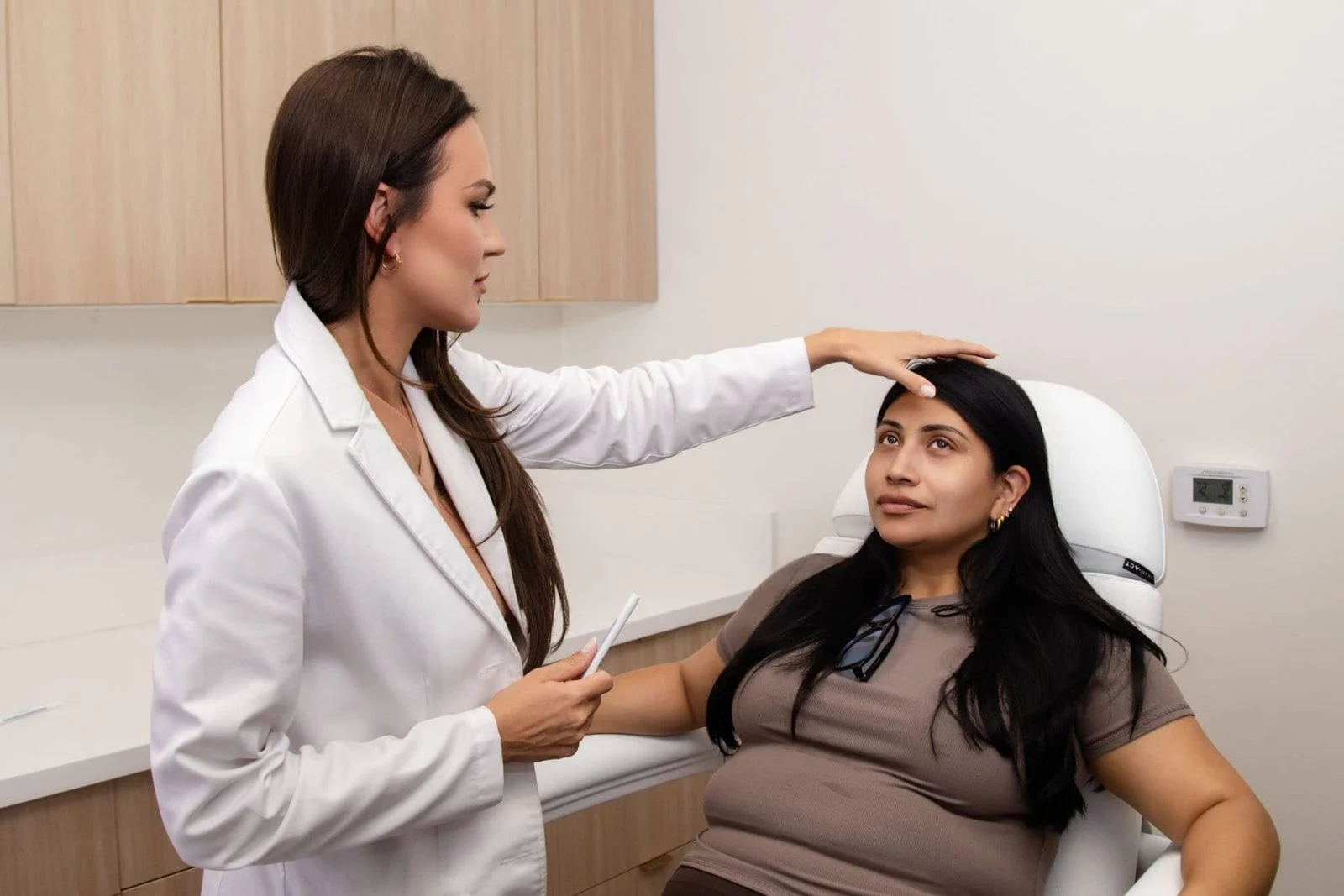
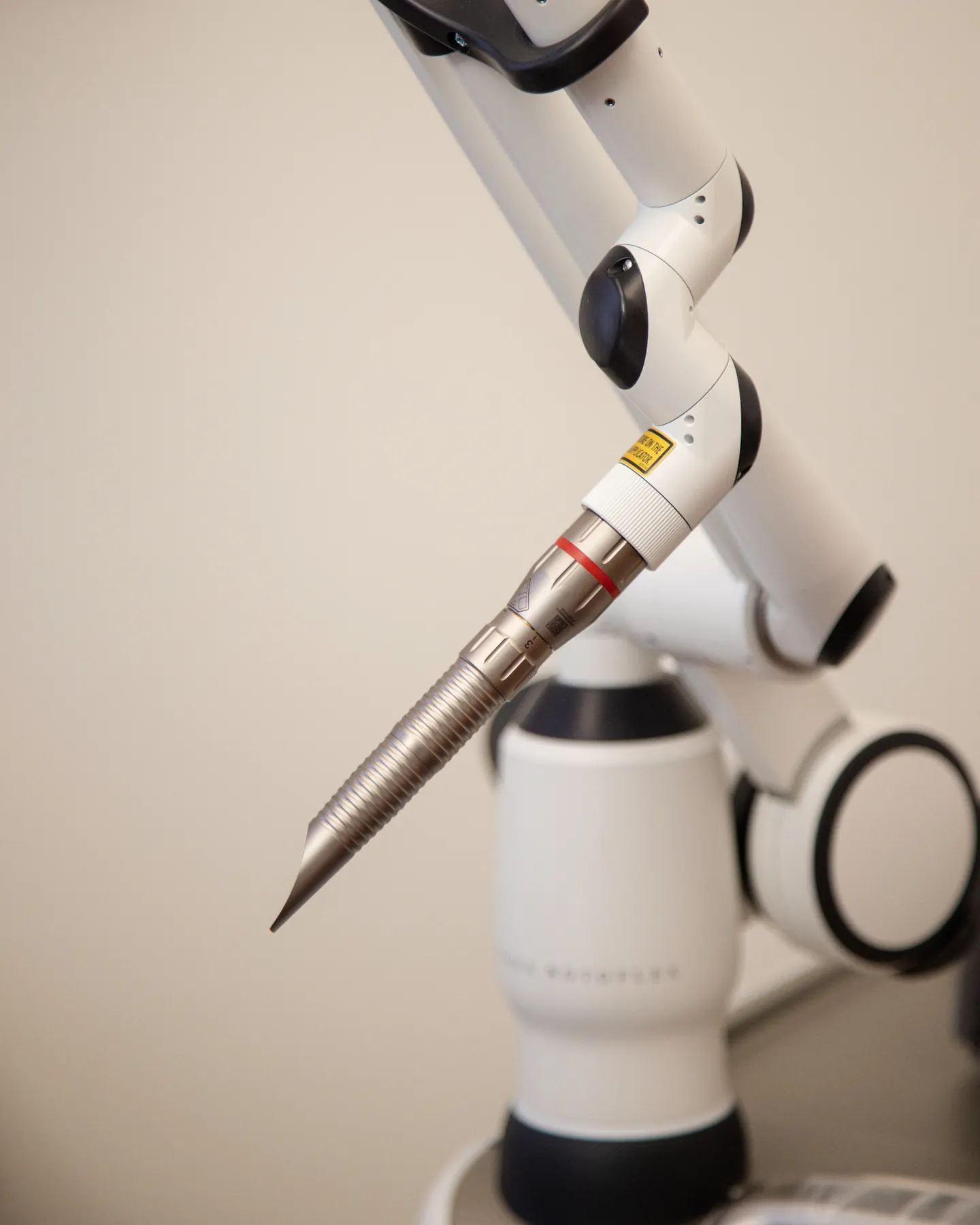

Skin rejuvenation used to force a hard choice. You either accepted gradual changes in tone, texture, and laxity, or you committed to surgery, downtime, and a much bigger recovery story. That gap is exactly why laser technology has earned such a strong place in modern aesthetic care, especially for patients who want visible improvement without stepping into an operating room.
In Encino, where patients often want treatments that fit into a full workweek and a public-facing lifestyle, Fotona has become part of that conversation for a reason. The platform is versatile, physician-directed, and adaptable to different concerns, from fine lines and uneven texture to mild laxity and acne scarring. When people search for Fotona Laser Treatments Encino, CA, they are usually looking for something very specific: better skin, a fresher look, and a treatment plan that does not demand weeks away from normal life.
That is a reasonable goal. It is also one that requires clarity. Not every laser treatment does the same thing, and not every patient is a good fit for the same settings, protocols, or expectations. The best outcomes come from understanding what Fotona can realistically improve, how the treatment feels, who tends to benefit most, and where its limits are.
Why Fotona stands out in non-surgical rejuvenation
Fotona is not one single treatment in the way patients often imagine. It is a laser platform used in different ways, depending on the skin concern and the depth of correction needed. In practice, that matters more than the brand name alone. A thoughtful provider can use the technology to address superficial texture, deeper remodeling, or a combination of both.
One of the reasons experienced clinicians value Fotona is its range. Certain settings are designed to create controlled resurfacing on the outer layers of skin, which helps with roughness, enlarged pores, and fine lines. Other settings target deeper tissue heating, which can support collagen remodeling and gradual tightening. That combination is what makes Fotona appealing for people who want improvement across more than one category, not just a single isolated issue.
This is also why two patients can both say they had a Fotona treatment and still have very different experiences. One may have mild pinkness for a day and go back to work almost immediately. Another may need a few days of social downtime because the treatment was more intensive. The platform is broad enough that the phrase itself needs context.
In a practice setting, that context usually starts with the question, “What bothers you most when you look in the mirror?” The answer tends to fall into a few familiar themes: crepey texture around the eyes, smile lines that no longer fade at rest, a dull or tired surface quality, acne scarring that makeup cannot smooth over, or skin that just seems less firm than it used to. Fotona can help with several of those concerns, but the treatment design should follow the problem, not the other way around.
What skin concerns Fotona can address
The strongest candidates for Fotona are often not chasing a dramatic transformation. They want to look rested, smoother, tighter, or more even. That distinction matters. Laser rejuvenation generally works best when the goal is refinement and meaningful improvement, rather than a surgical-level change.
Depending on the settings used and the provider’s treatment plan, Fotona may be used for concerns such as fine lines, superficial wrinkles, uneven tone, textural roughness, acne scars, enlarged pores, and mild skin laxity. Some protocols are also used around the mouth or eyes, areas that show age quickly and can respond well to careful laser work.
A practical example helps here. Consider a patient in her mid-40s with early lower-face laxity, light sun damage, and lipstick lines beginning to settle around the mouth. She may not need a facelift, and she may not want filler in every area. A tailored Fotona approach can sometimes improve skin quality and firmness enough to make her look fresher and less drawn, even if it does not erase every line. For the right person, that is a strong result.
On the other hand, someone with significant jowling, heavy neck laxity, or deep static folds may still benefit from laser treatment, but the improvement will have limits. Good providers are direct about that. They do not oversell heat-based tightening as a substitute Fotona Laser Treatments Encino, CA for surgery when surgery is the only option that can reposition tissue in a major way.
The technology, in plain language
Laser consultations often become needlessly technical. Patients do not need a physics lecture, but they do need enough information to understand why treatment plans differ.
Fotona systems are known for using laser wavelengths that can target different layers of tissue. In broad terms, one approach can focus more on resurfacing the skin’s surface, while another can deliver energy deeper to stimulate remodeling beneath it. When these are combined thoughtfully, the treatment can support smoother texture on top and firmer quality underneath.
That dual approach is part of the appeal. Surface-only treatments may improve polish but do less for laxity. Deep heating alone may tighten modestly but leave texture concerns unchanged. A platform that can address both gives the provider more control.
Even then, technique matters. Laser devices do not produce results by brand name alone. Energy settings, number of passes, spacing of treatments, skin preparation, and post-treatment care all shape the final outcome. In real practice, two providers using the same machine can produce very different patient experiences.
Why patients in Encino often ask for it
Encino patients often balance aesthetic goals with professional schedules, family obligations, and a preference for discreet treatment. They may be camera-facing, client-facing, or simply reluctant to disappear from everyday life for a long recovery. That practical reality makes non-surgical options attractive.
Another factor is the Southern California sun. Even patients who are careful often carry a history of incidental sun exposure, and that can show up as uneven pigmentation, roughness, visible pores, and a general loss of radiance. A treatment that targets skin quality, not just volume loss, can make a meaningful difference. Many people are surprised by how much younger healthy skin texture looks, even before more dramatic interventions enter the picture.
The best clinics in this area also tend to understand that subtlety matters. Most patients are not trying to look treated. They want people to notice that they look rested, polished, or healthy, not “done.” Fotona fits well into that philosophy when used conservatively and with a clear treatment strategy.
Who tends to be a good candidate
Not everyone is an automatic fit for laser rejuvenation, and good candidacy depends on more than age. Skin type, medical history, current skincare, recent tanning, history of hyperpigmentation, active breakouts, and even how closely someone can follow aftercare all matter.
A strong candidate is usually someone with realistic expectations, mild to moderate signs of skin aging, and a willingness to complete a series if needed. Many laser results are cumulative. Patients who expect everything to change after one session are often disappointed, even when the treatment is working exactly as intended.
Here are a few signs that someone may be a good candidate for Fotona treatment:
- They want improvement in texture, tone, fine lines, or mild laxity without surgery.
- They can avoid sun exposure before and after treatment.
- They understand that collagen remodeling takes time.
- They are comfortable with some redness, sensitivity, or short-term downtime.
- They have been medically screened for issues that could affect healing.
The flip side matters too. A patient with active infection, a recent tan, uncontrolled melasma, or an inability to pause certain irritating skincare products may need to postpone treatment or choose a different path. Safety and predictability come first.
What a typical appointment feels like
One of the most common questions is simple: does it hurt?
The honest answer is that it depends on the treatment intensity, the area being treated, and the patient’s threshold. Milder sessions are often described as warm, prickly, or snapping. More intensive resurfacing can be uncomfortable without topical numbing or other comfort measures. Most experienced practices prepare for this and explain the expected sensation before they begin.
The appointment itself usually starts with photos and skin cleansing. Topical numbing may be applied, depending on the treatment plan. The laser portion can be relatively quick for a focused area, or longer for full-face work or combination protocols. Afterward, the skin may look pink or flushed, sometimes with a sunburn-like sensation. More aggressive settings can lead to swelling, bronzing, or a rough sandpapery feel as the skin heals.
A detail patients appreciate hearing in advance is that post-treatment appearance can shift over several days. Day one may just look pink. Day two or three can sometimes look more obvious, especially if there is swelling or surface roughness. Then the skin gradually settles and reveals a smoother finish. Knowing that timeline ahead of time prevents a lot of unnecessary worry.
Downtime, aftercare, and what recovery actually looks like
Downtime is one of the most misunderstood parts of aesthetic treatment. Patients hear Fotona Laser Treatments Encino, CA “minimal downtime” and imagine zero visible signs. That is not always realistic. Minimal compared with surgery is still not the same as invisible.
For lighter Fotona sessions, someone may look slightly flushed for several hours to a day and wear mineral makeup soon after, if their provider approves it. For more intensive resurfacing, redness can last longer, and the skin may feel dry, tight, or flaky for several days. The word “weekend treatment” is sometimes used loosely in aesthetics, but a true resurfacing session may ask for more planning than that.
Aftercare plays a large role in both comfort and outcomes. The basics are not glamorous, but they matter more than people expect.
A short recovery checklist usually includes the following:
- Use only gentle, provider-approved skincare until the skin barrier settles.
- Avoid direct sun exposure and wear diligent broad-spectrum sunscreen.
- Pause retinoids, acids, scrubs, and other potentially irritating products.
- Keep the skin moisturized and avoid picking or rubbing any flaking areas.
- Follow the clinic’s instructions closely if swelling, heat, or sensitivity lasts longer than expected.
Patients who heal best are usually the ones who treat aftercare as part of the treatment, not an optional extra. A laser session may last under an hour, but the healing environment you create afterward strongly influences the final result.
How many treatments are usually needed
This is where expectation management becomes important. Some patients see a freshening effect after a single treatment, especially if the main goal is glow, mild tightening, or surface refinement. More commonly, meaningful rejuvenation builds over a series.
For textural concerns, acne scarring, or collagen remodeling, a provider may recommend multiple sessions spaced several weeks apart. Results also continue to evolve after treatment because collagen stimulation is gradual. That delayed improvement is one reason patients sometimes undervalue early progress. They are looking for instant change, while the biology is working on a slower timeline.
The best way to think about Fotona is not as a one-time event but as part of a broader skin strategy. Some patients do an initial series and then move into maintenance. Others combine laser work with neuromodulators, skincare, or occasional peels, depending on what their skin needs.
What results look like when they are done well
Well-done laser rejuvenation often does not announce itself. Skin looks smoother. Makeup sits better. Fine lines soften. Pores appear less obvious. The overall face reads as healthier and more rested. That subtle, cumulative improvement is exactly what many patients want.
A useful benchmark is this: if someone who sees you often says, “You look good, did you change your skincare?” that is often a sign the treatment landed in the right zone. You look improved, not altered.
At the same time, good results are not identical for every concern. Acne scars may soften but not disappear. Deep etched lines may improve yet remain visible. Laxity may tighten modestly, but loose tissue will not vanish. Patients are happiest when they go in with a realistic sense of scale. Laser treatment can produce impressive changes, but it still operates within the anatomy and healing capacity of your own skin.
Fotona versus other non-surgical options
Patients rarely compare Fotona to doing nothing. They compare it to microneedling, radiofrequency devices, chemical peels, IPL, fractional lasers, and injectables. That comparison is healthy, because no single treatment dominates every category.
For example, injectables may be better for dynamic wrinkles or volume loss. Microneedling can be a good option for certain patients seeking a lower-intensity collagen treatment. IPL targets redness and brown spots differently than a resurfacing laser. Traditional surgical lifting remains the strongest option for significant sagging.
Where Fotona often earns its place is in the middle ground. It can improve skin quality in a more substantial way than many low-downtime facials or superficial treatments, while avoiding the commitment of surgery. That does not make it universally superior. It makes it useful in the right hands for the right patient.
This is also why a good consultation should never feel like a one-device sales pitch. If a clinic recommends the same treatment to nearly everyone, that is a red flag. Thoughtful aesthetic medicine is selective.
Choosing a provider in Encino
If you are considering Fotona Laser Treatments Encino, CA, the provider matters at least as much as the technology. Laser outcomes depend on judgment. Good judgment starts with proper assessment and continues through treatment design, skin prep, aftercare, and follow-up.
Look for a practice that takes time with consultation photos, reviews your history in detail, and talks honestly about expected downtime. The best consultations do not rush past contraindications, previous procedures, pigment concerns, or your tolerance for social downtime. They also explain alternatives.
In real-world terms, the strongest providers usually share a few habits. They underpromise rather than oversell. They adjust settings to the individual instead of applying a one-size-fits-all protocol. They know when not to treat. And they have a plan for complications, even if complications are uncommon.
If you feel you are being talked into a package before you understand the treatment, step back. Good care feels clear, not pressured.
Special considerations for different skin types
Any discussion of laser rejuvenation should acknowledge skin diversity. Different skin tones and skin behaviors require different planning. Risks such as post-inflammatory hyperpigmentation may be more relevant in some patients, especially if they have a history of pigment issues or if they do not heal predictably after irritation.
That does not mean deeper skin tones cannot be treated. It means device selection, settings, pretreatment planning, and aftercare have to be more precise. An experienced provider will assess this carefully and may recommend a more conservative approach, staged treatment, or a different modality if the pigment risk outweighs the likely benefit.
This is one reason bargain shopping on laser treatments often backfires. The cost difference between an experienced assessment and a rushed one can show up later in avoidable complications.
When surgery may still be the better answer
There is a lot to appreciate about non-surgical rejuvenation, but honesty matters. Some concerns are structural, not surface-based. If someone has prominent jowls, heavy upper eyelid skin, deep neck banding, or significant lower-face descent, laser treatment may improve the skin itself while leaving the underlying issue largely unchanged.
That does not make laser treatment pointless in those cases. It may still improve texture, crepiness, and overall skin quality. But if the main complaint is tissue sagging, surgery may be the more appropriate route. The most trustworthy practices say that plainly.
Patients appreciate that candor more than clinics sometimes realize. Clear limits build confidence.
The value of a long-term skin plan
The best aesthetic results rarely come from one dramatic intervention. More often, they come from a measured plan executed over time. Fotona can be an important part of that plan, especially for patients focused on maintaining collagen, refining texture, and avoiding a tired or weathered appearance.
Think of it as structural maintenance for the skin. Not a magic reset, not a shortcut, and not a replacement for sunscreen or consistent home care. It works best when paired with realistic goals, strong aftercare, and a provider who treats your face as an individual case rather than a standard protocol.
For the right patient, that approach can be deeply satisfying. You still look like yourself. You simply look more polished, more even, and more awake than you did before.
That is the real promise behind Fotona, especially in a place like Encino where patients often want results that are visible, credible, and discreet. When selected carefully and performed well, Fotona laser treatment can narrow the gap between skincare and surgery in a way that feels both modern and practical.
OMNIA Wellness Center
Address: 16430 Ventura Blvd Ste 207, Encino, CA 91436
Phone number: +18183868511
FAQ About Fotona Laser Treatments Encino, CA
What is a Fotona laser good for?
A Fotona Laser system is a versatile, dual-wavelength medical laser used primarily for non-surgical skin tightening, anti-aging rejuvenation, and dermatological treatments.
How much does the Fotona laser cost?
The cost of a Fotona laser depends heavily on whether you are looking to purchase a laser machine for a medical practice or are a patient seeking a laser treatment at a medspa.
Is a Fotona laser worth it?
A Fotona laser treatment is generally worth it if you want non-surgical skin tightening, improved texture, and collagen stimulation with very little downtime.