Can Fotona 4D Laser Facial (TimeWalker) Improve Skin Texture?
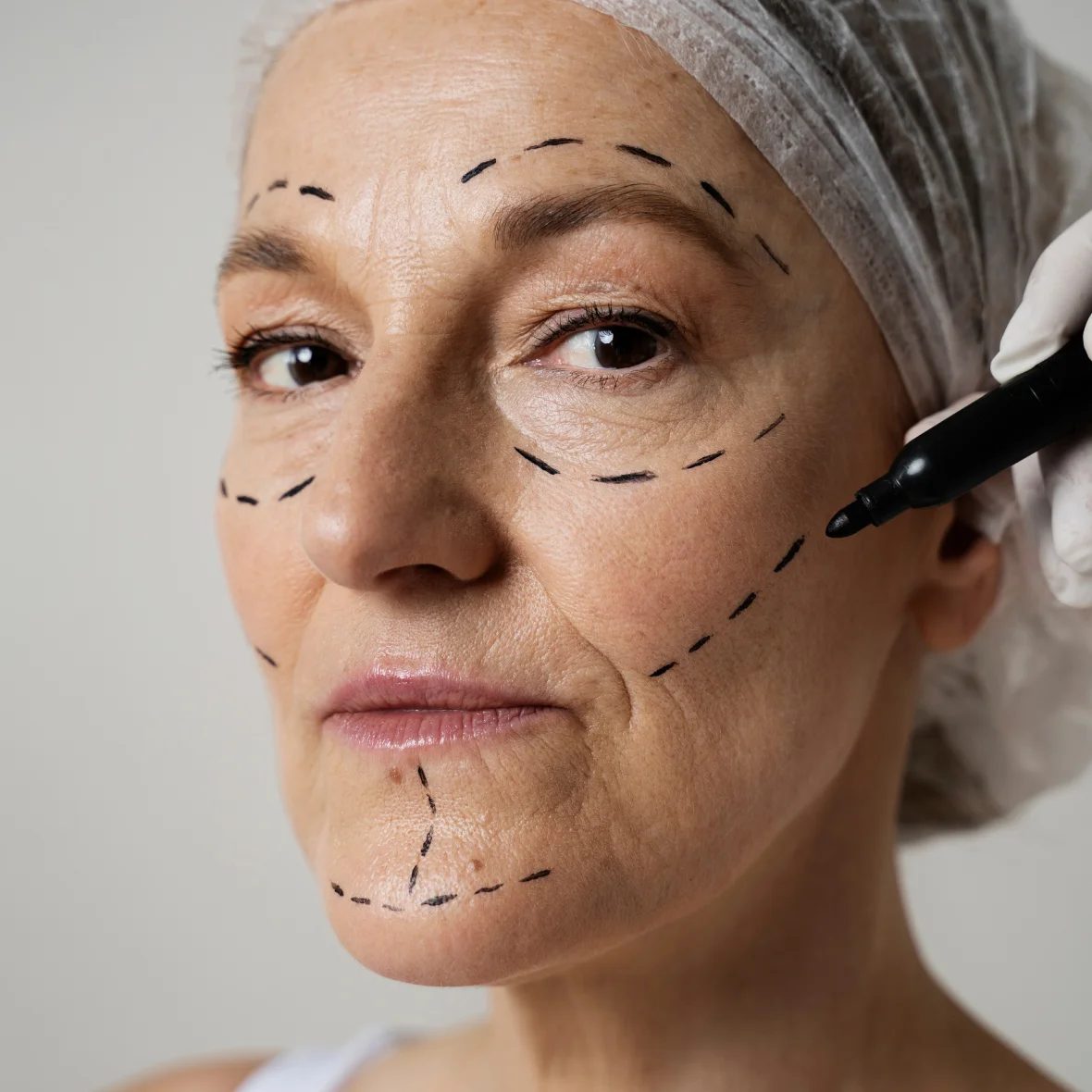
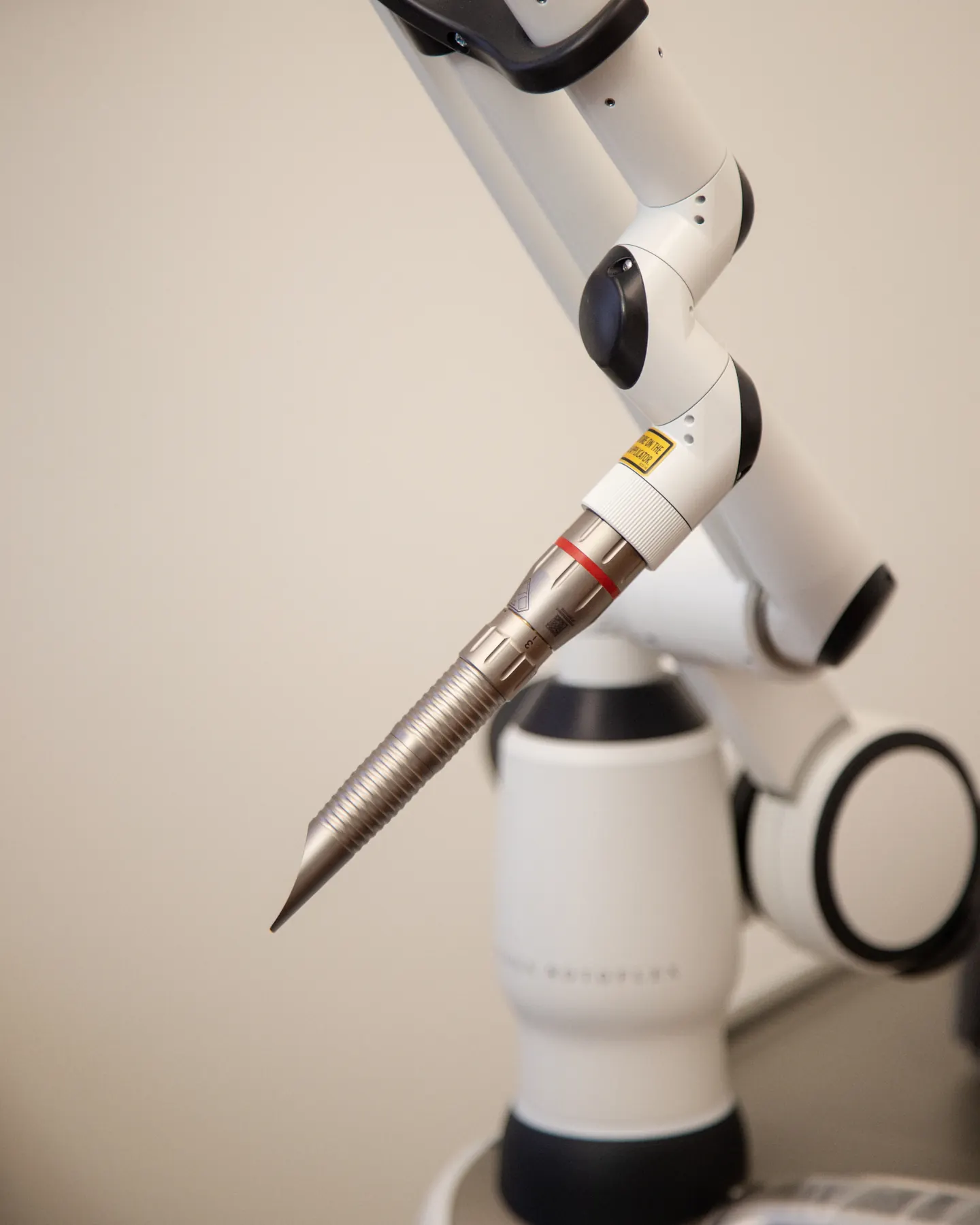
Skin texture is one of those concerns that sounds simple until you try to treat it. Patients often use the phrase to describe very different things: roughness along the cheeks, enlarged pores around the nose, a crepey look under the eyes, early acne scarring, fine lines that catch makeup, or a general loss of smoothness and light reflection. Because texture has several causes, no single treatment works equally well for every person. That is exactly where the Fotona 4D Laser Facial (TimeWalker) has earned attention. It is not a basic glow treatment, and it is not the most aggressive resurfacing option either. It sits in a useful middle ground.
The short answer is yes, the Fotona 4D Laser Facial (TimeWalker) can improve skin texture, often quite noticeably in the right candidate. The longer answer is more interesting, because the quality of the result depends on what is driving the textural change, how many sessions are done, the settings used, and whether expectations match what nonablative and minimally ablative laser work can realistically deliver.
What “skin texture” actually means in clinic
When someone says their skin texture looks uneven, I do not assume they mean one specific issue. Texture can be caused by superficial dead-skin buildup, chronic sun damage, enlarged pores, collagen loss, acne scars, dehydration, inflammation, or persistent redness that makes the surface look less uniform even when it is physically smooth. Sometimes several factors overlap.
That matters because lasers interact with tissue in different ways. Some target water in the skin to create controlled heating. Some remove columns of damaged tissue. Some aim to stimulate collagen deeper in the dermis while leaving the surface mostly intact. If a patient has fine roughness and mild pores, a collagen-stimulating treatment may help significantly. If they have sharply edged boxcar acne scars, they may need more aggressive resurfacing, subcision, or a staged plan that goes beyond one device.
The appeal of the TimeWalker platform is that it was designed to address multiple layers of aging and textural change in one session. That is not marketing fluff when used well. It combines several modes that work from inside the mouth outward to the skin surface, with a sequence intended to tighten, stimulate, and refresh.
What the Fotona 4D Laser Facial (TimeWalker) is doing
Fotona’s 4D approach typically uses two wavelengths, Er:YAG and Nd:YAG, in a treatment sequence with four dimensions or steps. Clinics may vary slightly in how they name or customize the stages, but the concept stays fairly consistent. One part works intraorally, meaning inside the mouth, to heat tissue and support tightening around the perioral area and nasolabial region. Another part targets deeper dermal remodeling from the outside. A lighter resurfacing pass may then refine the surface, and a final polishing stage can improve glow and smoothness.
For texture specifically, the value comes from two mechanisms working together. First, controlled heat in the dermis stimulates collagen remodeling over time. That helps soften fine crinkling, improve mild laxity, and make pores appear less obvious. Second, the superficial Er:YAG component can smooth the very top layer of the skin, which helps with roughness and dullness. The result is often not dramatic in the way a fully ablative CO2 treatment can be, but it can be meaningful, especially for patients who want visible improvement without a week or two of heavy downtime.
One reason this treatment gets strong word of mouth is that it often makes skin look better in a broad, camera-visible sense. Patients may struggle to articulate why. The surface reflects light more evenly, makeup sits better, the perioral area looks less creased, and pores along the central face look a bit tighter. That combination reads as “better texture,” even though several changes are happening at once.
Where it performs best
In my experience, the best results tend to show up in patients with mild to moderate textural irregularity rather than deep structural scarring. Think early crepey texture under the eyes, roughness from photoaging, enlarged pores across the cheeks, and fine lines around the mouth that are beginning to etch in but are not deeply fixed. People in their thirties to fifties often fall into this category, though age is less important than skin condition.
I have also seen good responses in patients who are not ready for more aggressive resurfacing, either Fotona 4D Laser Facial (TimeWalker) because they cannot take the downtime or because they are cautious about pigmentation risk. The TimeWalker approach can be a practical bridge between facials and heavy laser resurfacing. It asks more of the skin than a light lunchtime treatment, but less than a full ablative reset.
That said, good skin texture outcomes usually come from a series. One session may give a freshened look and some tightening, but the smoother, more refined feel tends to improve after multiple treatments spaced several weeks apart. A common plan is three sessions, though some patients do well with two and others build maintenance into their routine every few months.
What kind of texture changes improve, and which ones do not
It helps to be specific here, because patients are often disappointed not by the treatment itself, but by vague expectations.
The Fotona 4D Laser Facial (TimeWalker) tends to work best for:
- mild roughness and dull, uneven surface feel
- enlarged pores and oilier central facial texture
- fine lines, especially around the mouth and cheeks
- early crepiness linked to collagen loss
- overall loss of smoothness from sun exposure and age
Where it is less impressive is with deeper acne scarring, significant rolling scars tethered below the surface, or pronounced textural change from long-standing inflammation. It may soften these issues, but it rarely erases them. In those cases, combination treatment is usually smarter. That might include subcision for tethered scars, RF microneedling for deeper remodeling, focused TCA CROSS for ice-pick scars, or a stronger ablative laser when appropriate.
Pigment-based concerns also deserve a distinction. If what a patient calls “texture” is actually mottled pigmentation, the skin may look more even after treatment simply because the surface is brighter, but brown spots may need targeted pigment therapy, careful topical treatment, or strict sun management. Texture and tone often travel together, but they are not the same problem.
How noticeable are the results?
This is where honesty matters. If someone expects porcelain skin after one session, they are likely to feel underwhelmed. If they want a measurable improvement with manageable downtime, this treatment can be very satisfying.
Most patients notice an early improvement in smoothness and radiance within days to two weeks, once the immediate post-treatment sensitivity settles. The collagen-driven textural changes take longer. That remodeling phase unfolds over several weeks and often continues through a series. In photographs, the change can be subtle. In person, especially in angled light, patients frequently notice that the skin looks less crinkled and more refined.
A useful way to frame it is this: Fotona 4D often improves skin quality rather than creating an obviously “treated” appearance. Friends may say someone looks rested or polished rather than asking what procedure they had. For many people, that is a plus.
Downtime, discomfort, and the reality after treatment
One of the reasons patients consider TimeWalker is the downtime profile. Compared with more aggressive resurfacing, recovery is usually easier. Compared with a standard hydrafacial or LED session, it is of course more involved.
During treatment, sensation varies by stage. The deeper heating passes feel warm and sharp in bursts. The intraoral portion feels unusual more than painful for most people, though it is not everyone’s favorite part. The superficial resurfacing or polishing stage can create a hotter, pricklier sensation. Topical numbing is often used, but protocols differ.
Afterward, the skin may feel warm, pink, and slightly puffy, especially around the eyes and mouth. A dry sandpaper feel is common for a few days if the superficial pass was more active. Some patients have almost no social downtime, while others prefer to avoid events for forty-eight to seventy-two hours. Makeup often goes on better after the initial roughness resolves, not immediately the next morning.
The main gap between expectation and reality usually comes from underestimating that temporary rough phase. Patients hear “minimal downtime” and imagine zero visible recovery. That is not always the case. Even a lighter treatment can leave skin feeling tight and looking mildly weathered for several days before it smooths out.
Who makes the best candidate
The best candidate is someone with mild to moderate textural concerns, realistic expectations, and a willingness to do a series if needed. People who are already caring for their skin at home usually appreciate the result most, because the laser builds on a good baseline rather than trying to rescue neglected skin in one go.
Candidacy also depends on skin type, medical history, and timing. Recent tanning, active infections, certain inflammatory conditions, or medications that affect healing can change the plan. Darker skin tones are not automatically excluded, but they do require experienced assessment and conservative parameter choices to reduce the risk of post-inflammatory hyperpigmentation. This is true of almost every energy-based treatment, but it matters especially when patients hear broad claims online and assume all devices are universally interchangeable.
Why operator skill matters more than many patients realize
Devices get the attention, but outcomes are often operator-dependent. The same platform can produce very different results in different hands. Parameter selection, pass density, patient selection, pretreatment skin prep, and aftercare instructions all influence both efficacy and recovery.
A practitioner who understands texture will assess whether roughness is superficial, structural, inflammatory, or mixed. They will also tell you when this is not the best tool. That alone is valuable. I have seen patients spend a year chasing glow treatments for acne scarring that clearly needed a more targeted plan. The reverse also happens, where someone books aggressive resurfacing when a gentler staged approach would have met their goals with far less downtime.
This is also why consultation language matters. If a clinic promises dramatic resurfacing from one Fotona 4D session for deep scars, I would be cautious. If they explain where it shines and where it has limits, that is a better sign.
How it compares with other texture treatments
Patients often ask whether TimeWalker is better than microneedling, RF microneedling, IPL, Clear + Brilliant style fractional treatments, or ablative lasers. Better is the wrong word. More suitable is usually the right one.
Microneedling can improve mild texture and is often more budget-friendly, but results can be modest, especially for pores and early laxity. RF microneedling often has an edge for deeper collagen remodeling and acne scar support, though recovery and discomfort can be more substantial. IPL is useful for redness and pigment, but it is not primarily a textural treatment. Fractional nonablative lasers can be excellent for diffuse texture and tone. Fully ablative options remain stronger for etched lines and scars, but they come with significantly more downtime and risk.
TimeWalker occupies a versatile lane. It is appealing for patients who want broad skin quality improvement, some tightening, and visible refinement without committing to a major recovery period. It is less compelling for someone whose only goal is aggressive scar correction.
The role of maintenance and home care
Laser treatment can improve texture, but it does not freeze the skin in place. Collagen continues to age, sun continues to damage, and habits continue to show up on the face. Patients who get the best longevity from a Fotona 4D Laser Facial (TimeWalker) usually do a few simple things consistently.
- use daily broad-spectrum sunscreen, even when the weather is not dramatic
- keep a steady retinoid or retinol routine if tolerated
- support barrier repair with bland hydration after treatment
- avoid picking, over-exfoliating, and stacking actives too soon
- return for maintenance based on skin behavior, not just a calendar
This is not glamorous advice, but it is the difference between a treatment that fades quickly and one that integrates well into a long-term skin plan. I have seen expensive laser results dulled within weeks by aggressive scrubs, tanning, or a return to poorly managed acne.
Common concerns patients bring up
One common question is whether the treatment thins the skin. When done appropriately, the goal is not thinning, but remodeling. Controlled thermal and superficial ablative effects stimulate repair processes that can strengthen collagen architecture over time. Problems arise when treatments are too aggressive, too frequent, or poorly selected.
Another question is whether it helps acne. It may help some aspects indirectly, especially oiliness and post-acne textural roughness, but it is not a primary acne treatment in the same way that medical acne management is. Active inflammatory acne should usually be controlled first. Treating unstable acne with texture-focused lasers is often inefficient and can increase the chance of irritation.
Patients also ask whether one treatment area responds better than another. The perioral zone often shows pleasing improvement because fine lines there respond well to collagen stimulation, and the intraoral component was designed with that region in mind. The cheeks can improve nicely too, especially for mild pore visibility and diffuse roughness. The forehead may improve, though deeply etched horizontal lines usually need a different or combined approach.
A realistic timeline of change
Results rarely arrive all at once. The first few days are about recovery. The first two weeks are about surface normalization and initial brightness. The next one to three months are where collagen remodeling becomes more meaningful, especially after repeated sessions. If a patient is evaluating texture after only five days, they are usually evaluating temporary dryness, not the final benefit.
That timeline matters when planning around events. I generally think this treatment is better done several weeks before an important wedding, photo session, or speaking engagement rather than the week before. The skin usually looks good after a short recovery period, but the nicest texture changes often bloom later.
Is it worth it for texture alone?
For the right patient, yes. If skin texture is mild to moderate, if the goal is refined skin quality rather than dramatic scar revision, and if the person values a treatment that addresses both deeper support and superficial polish, the Fotona 4D Laser Facial (TimeWalker) can be a strong option.
Where it becomes less cost-effective is when the main complaint is deep scarring or severe etched damage. In that scenario, patients may spend money on broad rejuvenation while still needing a more targeted intervention. I would rather see someone choose the right treatment than the most heavily marketed one.
There is also a quality-of-life angle that often gets overlooked. Some patients do not want ten different appointments Fotona 4D Laser Facial (TimeWalker) for separate concerns. A platform that can tighten, refresh, and improve texture in one session has practical value, especially for professionals who cannot disappear for extended recovery. The convenience does not replace careful planning, but it does matter.
The bottom line on smoother skin
The Fotona 4D Laser Facial (TimeWalker) can improve skin texture, and in well-selected patients it can do so in a way that looks polished, natural, and convincing. It tends to perform best on mild to moderate roughness, pores, fine lines, and early collagen-related changes. It is not the most aggressive resurfacing option on the market, and that is part of its appeal. It offers meaningful refinement with a recovery profile many people can actually tolerate.
The smartest way to approach it is not to ask whether the device is good in the abstract, but whether your specific texture issue matches what this treatment does well. If it does, and if the treatment is performed by someone who understands both laser physics and real skin behavior, the answer is often yes, it can make the skin feel smoother, look more even, and age a little more gracefully on camera and in daylight. For many patients, that is exactly the improvement they were hoping to find.
OMNIA Wellness Center
Address: 16430 Ventura Blvd Ste 207, Encino, CA 91436
Phone: (818) 386-8511
FAQ About Fotona 4D Laser Facial (TimeWalker)
What are the benefits of Fotona laser treatment?
OMNIA offers this treatment for concerns such as uneven texture, dull tone, and fine lines. Results and the number of sessions vary, so discuss your goals with a provider.
Is Fotona laser safe?
A qualified provider should review your skin, medical history, medications, and recent sun exposure to determine whether the treatment is appropriate. Ask about possible irritation, pigment changes, and aftercare before booking.
How much does a Fotona 4D facelift cost?
Price depends on the treatment plan and number of visits. Ask OMNIA for an itemized estimate during your consultation.